Packing for a marathon race day requires thoughtful preparation, not just for the race itself but also for the hours before and after the event. Runners often focus heavily on training, pacing plans, and footwear, but what they bring with them on race morning can have just as big an impact on their performance and recovery. A well-organized race-day kit helps eliminate unnecessary stress, ensures proper nourishment, and keeps the body primed for the physical challenge ahead. Many runners quickly learn that planning for both pre-race comfort and post-race recovery is key—and that includes bringing the right food, drinks, and a properly prepared cooler.
Gear Essentials
 Before the marathon, runners typically pack gear that supports both readiness and calm. This includes their race bib, timing chip, GPS watch, running belt, gels, electrolytes, anti-chafing balm, sunscreen, and a light jacket or disposable warm-up layer for the chilly early morning start. Footwear accessories such as extra socks, spare laces, or toe tape can also prevent race-ending discomfort. Nutrition plays an important role before the race as well; runners often bring familiar pre-race foods such as bananas, bagels, oatmeal, or energy bars. Because nerves can disrupt stomachs, it’s important to pack foods that the body already knows and tolerates well.
Nourishment Preparations
 A cooler can be surprisingly useful in marathon prep, especially for runners who need chilled beverages or foods that spoil quickly. Pre-race hydration is essential, and many runners like to pack electrolyte drinks, coconut water, or cold water bottles to sip on as they wait in the staging area. A cooler also keeps perishable snacks fresh so runners can fuel up without relying on whatever the event provides. The question then becomes: should you pack your cooler with regular ice or with ice packs? For marathon day, ice packs are typically the better choice. They stay frozen longer, don’t create messy meltwater, and help keep items consistently cool throughout the morning. Ice is fine for very short windows, but the melting can soak food wrappers, soften bars, or dampen gear if the cooler shifts around. Ice packs offer cleaner, more predictable cooling—especially valuable when you’re juggling nerves and timing.
Post-Race Considerations
Post-race needs are just as important, and this is where the cooler becomes an even more valuable tool. After finishing 26.2 miles, runners often crave protein, hydration, and foods that soothe the stomach. Many pack chocolate milk, protein shakes, fresh fruit, yogurt cups, sandwiches, or electrolyte drinks to help jump-start recovery. Cold compresses for knees or sore muscles can also be stored in the cooler, providing instant relief. A fresh pair of socks, comfortable shoes, wet wipes, and a warm jacket are also standard items in a post-race bag. Runners often underestimate how quickly the body cools after a long run, so having dry layers ready is crucial.
In the end, smart packing removes uncertainty from marathon day. Whether it’s essential race gear, pre-run snacks, or a post-race recovery kit, being prepared helps runners stay focused on the challenge ahead. A well-packed cooler—stocked with ice packs rather than loose ice—ensures that nourishment and recovery tools stay clean, cold, and ready when the body needs them most.

 Many runners travel long distances for marathons, and this can add an additional layer of stress to race day. Traveling, especially if it involves crossing time zones or dealing with the unfamiliarity of a new city, can be physically and mentally taxing. One of the key aspects of minimizing travel-related stress is to arrive in the race city as early as possible. Ideally, you should plan to arrive at least two days before the marathon, giving your body enough time to acclimate to the new environment. This allows you to get settled, adjust to any time zone differences, and avoid feeling rushed or overwhelmed in the lead-up to the race.
 Race day preparations are not just about the physical training you do in the weeks leading up to the event; they also involve ensuring proper rest and managing travel-related stress. Resting strategies, such as getting plenty of sleep, practicing relaxation techniques, and avoiding overexertion, can make a big difference in how you feel on race day. Additionally, traveling early and arriving at the race city with plenty of time to acclimate helps to reduce the potential negative effects of relocation stress syndrome. By focusing on both your physical and mental preparation, you can set yourself up for success and perform at your best during the marathon.
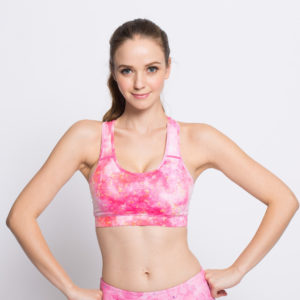 Women who love to run are fit and happiest when they are running long distances. They pride themselves on being able to keep up in competitions and run long distances with the “boys”. They also enjoy showing off their body since it is so toned. Therefore, “Lets go shopping” is something that most female runners love to hear.
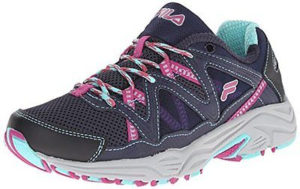 Women who are devoted to running spend their days trying to reach their next personal goal. They push themselves to run as hard as they can and pride themselves on their achievements. For this reason, they often join in marathons and competitive events that allow them to see how they stack up against other runners. Their reward for completing a run is the knowledge that they can get it done though there are many who prefer to come in first. It is the reason for putting on their running shoes, which should be quality shoes.
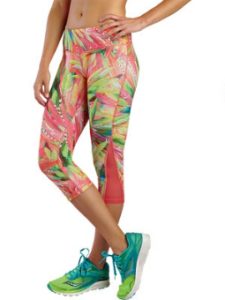 When these ladies come off the track, they often search for better shoes or clothing to wear when running. This is because buying a pair of shoes is simple for a non-runner, but you have to put in a lot more effort when you need to get running shoes. Your heel should fit snugly in the heel area of the shoe. If you notice any discomfort, you should leave the shoes behind and try another pair. When your foot is in the shoe, you will want to ensure that they have the proper width. Along the widest part of your foot, you should be able to pinch at least a quarter inch. You should also avoid choosing a shoe because it looks cool. The shoes that look great, often fall short in comfort after a short amount of time when you put them on and start running in them. Sports bras are also something female runners depend on. These bras give adequate support for women, no matter how hard they are running. Some of these bras offer wicking to keep you from feeling all the sweat that your body produces. Spandex or cloth pants, loosely fitting tank tops and tee-shirts are also ideal for women runners who want to go further than ever.